Key Facts About East Pye Solar
-
Proposal: 2700 acres including the cable corridor
-
Capacity: 500MW - one of UK's largest solar farms
-
Land Type: Best and Most Versatile (BMV) agricultural land
-
Developer: Island Green Power (Macquarie)
-
Duration: 60 year lifespan
-
Grid: New high-voltage infrastructure required, including numerous sub stations
Why We Oppose the East Pye Solar Proposal
We support renewable energy but this scheme is the wrong development in the wrong place.
Our community faces:
- Industrialisation of our countryside
A vast solar complex across an ancient landscape of small villages and open farmland. - Solar arrays too close to homes
Panels proposed within metres of residential properties and gardens, affecting daily life and rural amenity. In some cases, properties share boundaries with the proposed solar sites. - Serious battery storage safety concerns
A huge Battery Energy Storage System (BESS) with concerns of fire risk and fumes from prevailing winds. With no policy or ability to extinguish a lithium fire, evacuation would be the only course of action. - Unsuitable rural roads
Heavy construction traffic on narrow country lanes, creating disruption, safety risks and degradation of road edges and drainage channels. - Threats to wildlife and nature
Important habitats and protected species placed at risk along with the inability for mammals to roam freely over the land. - Loss of valuable farmland
High quality BMV (Best and Most Versatile Land) agricultural land removed from food production potentially for ever. - Damage to heritage and landscape
Harm to historic settings and irreversible negative visual impact across South Norfolk. - Flooding and watercourse risks
The soil is incapable of absorbing vast quantities of runoff water from huge glass panels which raises concerns over increased flooding and impacts on sensitive chalk streams. - Local economy at risk
Tourism and rural businesses depend on the landscape this proposal would change forever.
Renewable energy must be delivered responsibly, without sacrificing our communities, heritage, and environment.
Land Use & Food Security
- Loss of Best Most Versatile (BMV) Land
- Impact on food security
- Inappropriate scale for rural landscape
Ecology & Wildlife
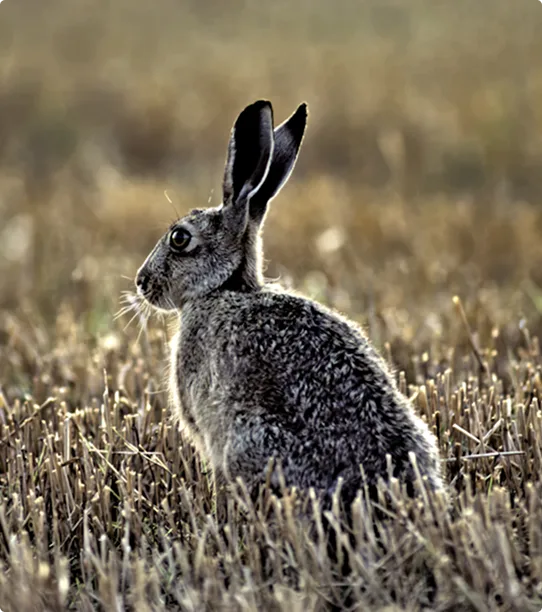
- Impact on protected species
- Disruption of biodiversity corridors
- SSSI's (Site of Special Scientific Interest) and ancient woodlands affected
Visual & Landscape Impact
- 4.5m high solar arrays
- Security fencing and CCTV
- Industrialisation of countryside
Grid & Infrastructure
- BESS safety concerns
- New high-voltage lines
- Impact on heritage assets
Cumulative Impact
- Potential for further development
- Surrounding villages with solar fields
- Wind direction concerns for BESS
Traffic & Construction
- Proximity to residential properties
- Major construction disruption
- Increased traffic during operation
Our Key Concerns
Our Communities
The proposal surrounds our villages and homes with vast solar fields, Battery Energy Storage Systems (BESS) together with all the interconnectors required on an entirely inappropriate scale.
Our Wildlife and Biodiversity
This area is a priority and strategic zone for several protected species. It also contains Sites of Special Scientific Interest (SSSIs). As a core woodland area, with ancient woodlands and nature reserves, it plays a crucial role in the Norfolk Green Infrastructure Plan for biodiversity, ensuring connectivity for migration.
Our Landscape Character
The proposal would turn a peaceful, expansive landscape into a semi-industrial, utility-grade power complex.
Our Views
The solar arrays are proposed to a maximum height of 4.5 meters (including mounting structures). The fields will have security fencing and pole-mounted CCTV. Although Island Green Power has committed to screening solar fields with trees and hedging, it could take up to 15 years for native species to reach sufficient height. The project will destroy our current views of open countryside.
Our Local Heritage
The area is home to many heritage assets, including listed buildings and SHINE (Selected Heritage Inventory for Natural England) historic monuments, many of which will be directly impacted by this project.
Our Food Security
The project will result in a significant loss of BMV arable land and agricultural productivity in our area. Combined with other losses or proposed losses of BMV land to solar power plants across Norfolk, this will negatively impact food security.
Our Public Rights of Way
Solar fields, the BESS & the connection to UK Power Network National Grid are proposed on land crossed by public footpaths and other public access routes.
Our Businesses
This project will have a significant negative impact on local businesses that depend on the enjoyment of the countryside and tourism.
Our Environment
The project is proposed for a 40-year operational life, but the overall infrastructure and landscape impact could extend up to around 60 years once replacement cycles and decommissioning are taken into account. Solar panels typically have a lifespan of 25-30 years. All infrastructure will need to be replaced during the project's lifespan, causing significant waste and disruption. There are also risks of noise, light, chemical, and vibration contamination. BESS systems can generate up to 75Db per 200 containers, thermal runaways from the Lithium Batteries release Toxic Gases into the air and our ground source water and rivers.
Our Roads
Many of the proposed sites are on small roads or lanes unsuitable for HGVs. The proposal will result in a significant increase in heavy traffic through our villages during construction, for maintenance and replacement of damaged and old solar panels and BESS Batteries.
Project Timeline
Island Green Power expects the development process, including DCO submission and examination, to span two to three years. They intend to submit their application for development consent to the Planning Inspectorate at the end of February 2026. Subject to obtaining consent, the earliest construction could begin is late 2027 or early 2028.
The DCO application will not be submitted to the local authority, Norfolk County Council, or South Norfolk District Council. It will be submitted to the Planning Inspectorate and decided by the Secretary of State for Energy Security and Net Zero, Ed Miliband MP.
Key Consultation Dates:
- Initial non-statutory consultation: October - December 2024 (6 weeks)
- Phase Two statutory consultation: Expected Summer 2025
Frequently Asked Questions
Are you anti-solar?
No. We support renewable energy but believe it must be developed in appropriate locations. Solar panels belong on rooftops, car parks, and brownfield sites, not on our best agricultural land.
Who makes the decision?
For the East Pye Solar NSIP, the application is submitted to the Planning Inspectorate. After examination, the Planning Inspectorate makes a recommendation, and the final decision is made by the Secretary of State for Energy Security and Net Zero. South Norfolk District Council is a consultee, not the final decision-maker.
When is the deadline for objections?
Check our Key Dates page for current deadlines and important dates in the planning process.
How will this affect property values?
Large-scale solar developments have been shown to negatively impact property values in surrounding areas due to visual, noise, and amenity impacts.
What can I do to help?
You can join our mailing list, write an objection letter, volunteer with the campaign, share information with neighbors, and attend public meetings. See our Help Us page for more details.
Is this the only option for renewable energy?
No. There are many better alternatives including rooftop solar, offshore wind, floating solar, and other technologies that don't require prime agricultural land.
Ready to Take Action?
Use our letter templates and submit your objection to protect our countryside.